

Immunostimulation for coronavirus infections is a critical strategy to activate the human immune system against emerging viral threats such as SARS-CoV, MERS-CoV, and SARS-CoV-2. Although three human coronaviruses have affected mankind in the last two decades, vaccines remain the most effective strategy for preventing infectious diseases including viral diseases like COVID-19. Specialized antigen-presenting cells ingest the virus and present viral antigens to activate helper T-cells.
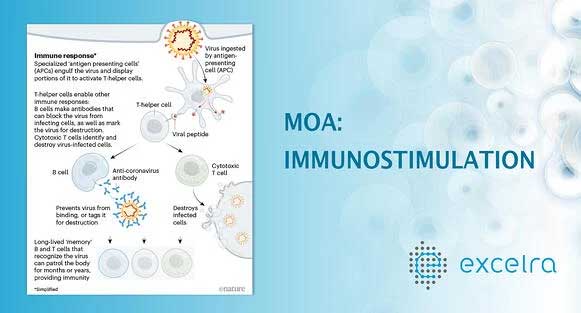
Role of helper T-Cells in immunostimulation for coronavirus
These helper T-cells function in two important ways to strengthen immunostimulation for coronavirus infections:
- Activate B-cells to produce large quantities of anti-viral antibodies
- Activate cytotoxic T-cells to identify and clear virus-infected cells
During this immune response, long-lived memory B-cells and T-cells are generated to develop long-term immunity against the virus. Among these mechanisms, T-cell mediated immunity is the most important process for tackling viral infections such as COVID-19.
COVID-19 vaccine development and immunostimulation approaches
In the current global scenario, multiple technologies are being used to develop COVID-19 vaccines aimed at enhancing immunostimulation for coronavirus prevention. These approaches include nucleic acid (DNA and RNA), virus-like particles, peptide-based vaccines, viral vectors (replicating and non-replicating), recombinant proteins, live attenuated viruses, and inactivated virus platforms.
A US vaccine company, Moderna, initiated clinical testing of its mRNA-based vaccine mRNA-1273 within two months of SARS-CoV-2 sequence identification. Some vaccine candidates in Phase I testing include mRNA-1273 (Moderna), Ad5-nCoV (CanSino Biologicals), INO-4800 (Inovio Pharmaceuticals), and LV-SMENP-DC (Shenzhen Geno-Immune Medical Institute).
Regardless of the approach adopted for vaccine development, safety and the ability to induce long-term immunity against SARS-CoV-2 remain essential.
Drug repurposing and immunostimulation for coronavirus treatment
Excelra’s open-access COVID-19 Drug Repurposing Database is a synoptic compilation of approved small molecules and biologics that can rapidly enter Phase 2 or Phase 3 clinical trials or be used directly in clinical settings against COVID-19. The database also includes promising drug candidates in clinical, pre-clinical, and experimental stages of drug discovery and development.
Supported by referenced literature, the database provides mechanistic insights into SARS-CoV-2 biology and disease pathogenesis. These drug repositioning approaches aim to support the global biotech and pharmaceutical community in developing effective treatments to combat COVID-19 through enhanced immunostimulation for coronavirus infections.