

Authors: Natalie Thomas & Elisabeth Veeckman
Introduction
InnerSource in bioinformatics is gaining importance as research teams look to turn complex pipeline outputs into shared, reproducible understanding. Imagine processing your data through a Snakemake or Nextflow pipeline and opening the results. You may have count tables or lists of significant genes, but translating raw results into insight is another story.
Which statistical tests should you run? How do you visualize patterns in a way that colleagues can understand? At this stage, individual project teams frequently build parallel versions of post-pipeline analyses, often with slightly different parameters. This leads to results that are not reproducible and in turn, inconsistent data interpretations.
InnerSource changes this. By building shared, reusable tools for post-pipeline analysis, teams create a common framework for interpretation. Every plot, summary, and statistical test follows validated methods, making results clearer, reproducible, and easier to trust—while collaboration becomes effortless. This approach aligns closely with scalable bioinformatics solutions adopted across modern research organizations.
The challenge of turning pipeline outputs into insights
Running an automated bioinformatics pipeline is an important milestone, but it is only the beginning of turning data into meaningful results. Pipelines generate raw outputs, such as tables, counts, alignments, or variant calls, but these numbers do not automatically translate into understanding.
Making results interpretable requires more than running a few statistical tests and generating a few plots. It requires selecting context-appropriate analysis methods and presenting data in a way that colleagues can trust and act on. This challenge is common across complex bioinformatics workflows used in research and discovery.
This type of post-pipeline analysis is often conducted by researchers siloed in disconnected project teams. They create one-off scripts that cannot be reused, producing visualizations and summaries that are not comparable across projects, teams, or the organization. This isolated approach leads to inconsistent interpretations, duplicated effort, and missed opportunities to extract deeper insights from the data.
By rethinking how analysis methods are shared and standardized, teams can move from fragmented efforts to a cohesive, reproducible toolkit that supports consistent interpretation.
Sharing and standardizing analysis with InnerSource
InnerSource applies the principles of open-source software development within an organization. In bioinformatics, this means developing scripts, statistical analyses, and visualization tools collaboratively so they can be reused, reviewed, and improved across projects.
By adopting InnerSource in bioinformatics, teams move away from isolated, one-off analyses toward shared and standardized practices. Scripts and workflows are version-controlled, documented, and modular, enabling reproducible bioinformatics analysis across datasets and projects.
Beyond efficiency, InnerSource fosters transparency and reliability. When post-pipeline analysis is built collaboratively, everyone can validate methods and contribute improvements. Over time, this creates a shared analytical framework that strengthens reproducibility, trust in results, and overall scientific rigor—key goals of effective scientific data management.
 Figure 1 Principles of InnerSource
Tools and approaches for better interpretation
After a pipeline finishes, the real challenge is turning raw outputs into interpretable results. One effective approach is to create a post-pipeline toolkit: a set of standardized, reusable scripts and resources that handle statistical analysis, visualization, and reporting in a consistent way.
Standardized analysis functions
Common tasks such as data cleaning, normalization, statistical testing, and summary calculations can be encapsulated in reusable R packages or Python modules. Version control ensures that changes are tracked and reviewed, while modular design makes functions easy to integrate into larger bioinformatics pipeline analysis frameworks.
Integrated visualization and reporting
Visualization and reporting should be part of the same toolkit. Reusable plotting functions and dashboards ensure consistent interpretation across projects. Interactive tools also support broader communication and collaboration, reinforcing shared understanding across teams.
Flexibility and adaptation
Not every project requires the same setup. Smaller studies may only need scripts and plots, while larger programs benefit from interactive dashboards. The toolkit approach enables flexibility while maintaining a reproducible foundation aligned with enterprise-scale analysis-ready data practices.
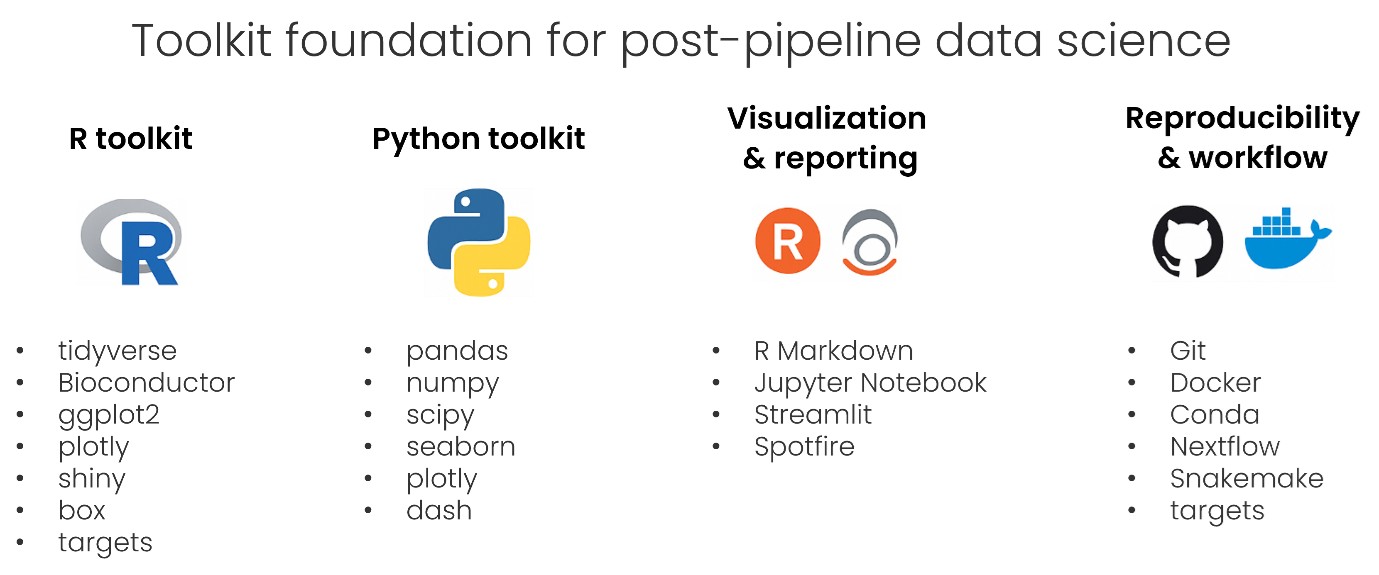 Figure 2 Toolkit Foundations for InnerSource in Bioinformatics.
Clear, reproducible, and trustworthy results
A well-designed post-pipeline toolkit does more than save time—it improves the quality and reliability of results. By standardizing statistical analyses, visualizations, and reporting, teams ensure consistent interpretation across projects and reduce errors and miscommunication.
Reproducibility is especially important when sharing results with collaborators or regulatory stakeholders. Standardized, version-controlled scripts allow teams to trace how results were generated and confidently build on previous work, supporting long-term data transformation in scientific research.
Conclusion
Combining InnerSource principles with practical tools transforms post-pipeline analysis into a shared, reliable, and interpretable process. Teams gain faster insights, reproducible results, and smoother collaboration.
InnerSource in bioinformatics aligns naturally with the collaborative and rigorous mindset of scientific research. By sharing code, setting standards, and focusing on reproducibility, teams can reduce duplication and accelerate discovery—turning individual analyses into a collective asset that grows stronger over time.